Ovarian Rejuvenation
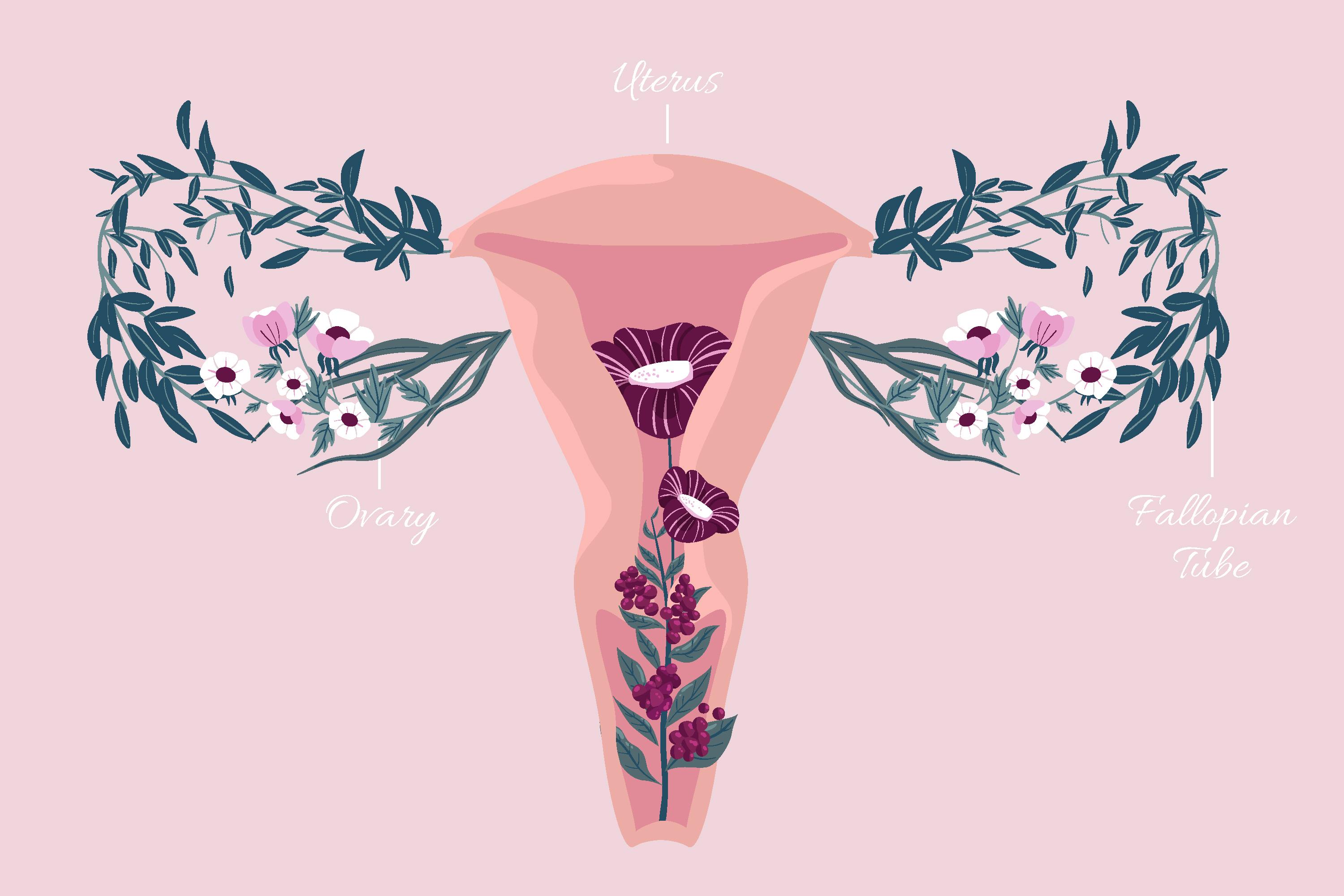
Ovarian Rejuvenation
Ovarian Rejuvenation with Stem cells is also called Autologous Stem Cell Transplant in the Ovary (ASCOT). These cells are undifferentiated cells that have the ability to develop into different types of cells, including ovarian cells.
Ovarian Rejuvenation with Stem cells is also called Autologous Stem Cell Transplant in the Ovary (ASCOT). These cells are undifferentiated cells that have the ability to develop into different types of cells, including ovarian cells.
Dr. Jay Mehta is one of the pioneers in the field of reproductive regenerative medicine. He has his own genetic laboratory and has extensive experience in ovarian rejuvenation therapy.
What is Ovarian Rejuvenation?
Ovarian rejuvenation is a medical procedure that can help women who are experiencing fertility challenges due to age or specific medical conditions.
The procedure stimulates the ovaries to produce healthier and more abundant eggs. This can increase the chances of conception and pregnancy.
Purpose of Ovarian Rejuvenation Techniques
The primary goal of ovarian rejuvenation is to improve the quality and quantity of a woman’s eggs, potentially improving fertility. It may also delay the onset of menopause and alleviate symptoms associated with ovarian ageing.
This therapy is specifically introduced in order to ensure that the patient is able to become pregnant with their own eggs.
Step by Step Process of Ovarian Rejuvenation Therapy
The process of stem cell ovarian therapy and Ovarian PRP therapy, can be broken down into several key steps:
- Consultation & Evaluation :
- Extraction :
- Preparation :
- Transplantation :
- Post-Procedure Care :
- Follow-up & Monitoring :
The first step in the ovarian rejuvenation process is a comprehensive consultation and evaluation with a fertility specialist in your area.
This typically involves a review of your medical history, a discussion of your fertility goals, and possibly some diagnostic tests.
In PRP therapy, the actual procedure begins with the extraction of blood from the patient. This blood is then used to prepare the Platelet-Rich Plasma (PRP).
In stem cell therapy, stem cells can be extracted from various sources, such as the patient’s own bone marrow or adipose tissue. This involves a surgical procedure under anesthesia.
In PRP therapy, the extracted blood is then processed in a centrifuge to separate the platelets and plasma from the other blood components.
The result is platelet-rich plasma (PRP), which is rich in growth factors that can stimulate tissue regeneration. In stem cell therapy, the extracted stem cells are separated and prepared for transplantation.
Some procedures may also involve mechanically fragmenting the ovarian cortex into small pieces
In PRP therapy, the prepared PRP is then injected directly into the ovaries.
In Stem Cell therapy, the prepared stem cells are then injected into the ovary using a specialized technique of laparoscopic surgery where the angulation of the needle has to be absolutely perfect to the ovarian cortex.
For this procedure, stem cells are extracted from the ovary by a simple bone marrow aspiration needle.
This procedure is carried out by an orthopaedic surgeon who specializes in bone marrow aspiration. It is believed that theca stem cells, which are present in the ovary, might be the most beneficial stem cells.
However, culture growth extraction and multiplication of these stem cells is currently under research phase.
After the procedure, patients are monitored closely to evaluate the effectiveness of the treatment and manage any potential side effects
Regular follow-ups are essential to monitor changes in menstrual patterns, hormone levels, and other indicators of improved ovarian function
Regular follow-ups are essential to monitor changes in menstrual patterns, hormone levels, and other indicators of improved ovarian function
Dr. Jay Mehta and his team offer ovarian rejuvenation therapy at multiple locations across India, including Mumbai, Bangalore, Hyderabad, Chennai, Agra, and Delhi.
Success Rate Of Stem Cell Therapy in Ovarian Rejuvenation Procedure
The success rate of stem cell therapy for ovarian rejuvenation is difficult to determine, as preliminary studies have shown promising results, but individual responses can vary widely. More comprehensive clinical trials are needed to confirm the efficacy of this treatment.
According to the available data, the success rate of stem cell therapy for ovarian rejuvenation is approximately 15 to 20%.
However, it is important to note that this is just an estimate, and the actual success rate may vary depending on the individual patient’s circumstances.
If you are considering stem cell therapy for ovarian rejuvenation, it is important to talk to a fertility specialist in Mumbai to discuss the risks,costs and benefits of this treatment.
Perfect Candidates for Ovarian Rejuvenation Therapy
Women with reduced fertility due to age or specific conditions like premature ovarian insufficiency could potentially benefit from ovarian rejuvenation therapy.
There’s no strict age limit for ovarian rejuvenation. Each case is unique. It is essential to consult with a fertility specialist to assess personal suitability for the therapy. However, this treatment option is typically available to women up to the age of 45 to 47.
Choosing a fertility clinic for ovarian rejuvenation therapy is a significant decision that can greatly influence your journey toward improved fertility.
Conclusion
Ovarian rejuvenation with stem cells represents a promising frontier in reproductive medicine. While we continue to learn more about its potential, it’s crucial to keep in mind that this therapy is still in the experimental stages. As always, consult with your trusted healthcare professional when considering any new treatment.